From Our Blog
Bleeding Gums: Warning Signs You Shouldn't Brush Off
Seeing a little pink in the sink after you brush is easy to shrug off, especially if it happens once and then seems to go away. Most people have experienced it at some point and moved on without thinking twice. But bleeding gums are your body sending a signal, and it is worth learning to read that signal instead of rinsing it away.
The good news is that bleeding gums are usually caused by something manageable. The less good news is that ignoring it for months or years is exactly how small problems in your mouth turn into bigger ones. Understanding the difference between simple irritation and something that needs attention can save you a lot of trouble down the road.
What Causes the Bleeding in the First Place
Gum tissue is soft and full of small blood vessels sitting close to the surface, which is why it bleeds so easily compared to skin elsewhere on your body. When plaque builds up along the gumline and is not cleared away regularly, it irritates that tissue. The gums respond the way any irritated tissue does: they get inflamed, a little puffy, and prone to bleeding when you brush or floss over them.
Other everyday things can trigger bleeding too. Switching to a firmer toothbrush, brushing too hard, starting a new flossing habit after a long break, or even just being extra vigorous one morning can all cause temporary bleeding that has nothing to do with a developing problem. Hormonal shifts, certain medications, and general stress on the body can also make gums more reactive than usual for a while.
Irritation Versus Something More
Simple irritation tends to be short-lived and tied to an obvious cause. If you switch to a softer brush, ease up on pressure, and stay consistent with flossing, the bleeding from mild irritation usually settles down within a week or two. The gums look pink and firm again, and the bleeding stops showing up during your normal routine.
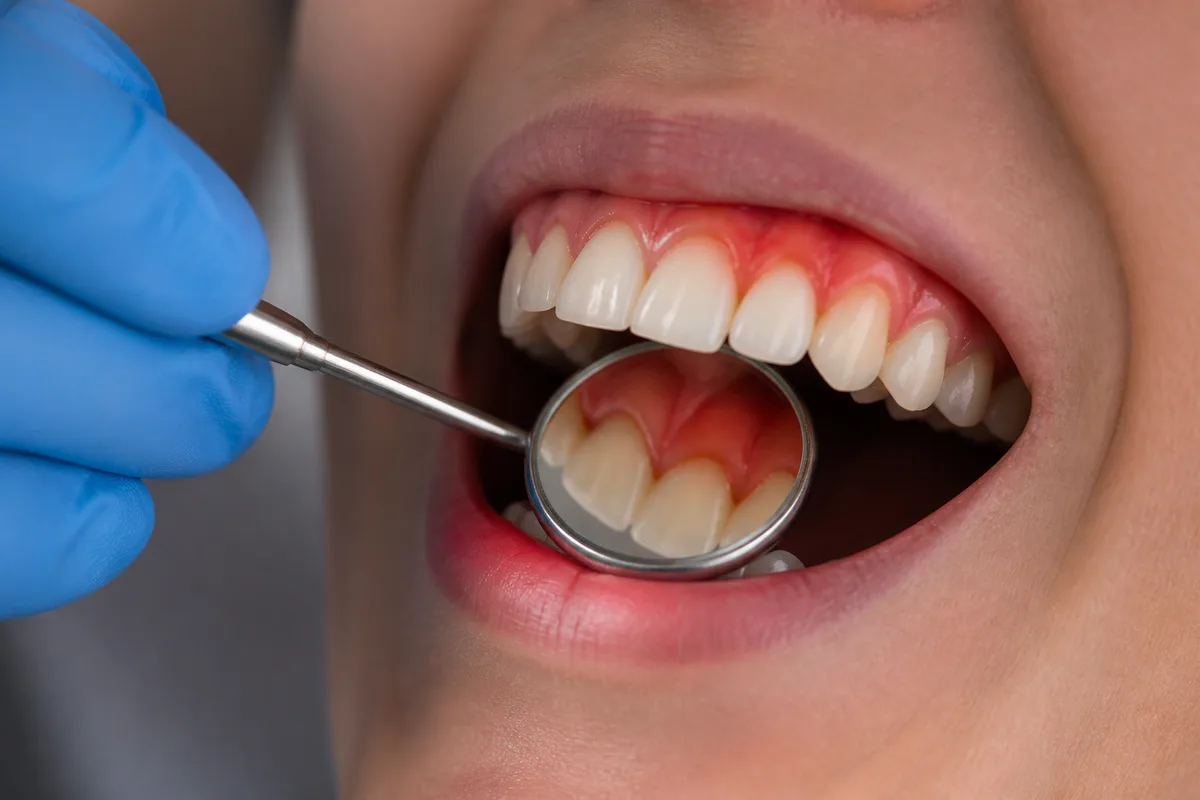
Bleeding that sticks around, shows up most days, or comes with other changes is a different story. Watch for gums that look puffy or dark red rather than pink, gums that seem to be pulling away from the teeth, persistent bad breath that toothpaste does not fix, or teeth that feel a little loose or shifted. These are signs that inflammation has been building for a while and the supporting tissue around your teeth may be under strain.
None of this means you need to panic. It means it is time to get a closer look from someone who can actually see what is happening below the gumline, which is not something you can judge from a mirror.
Why It Matters to Address Early
Gum tissue in its earlier stages of irritation responds well to a return to good habits and a professional cleaning that clears away buildup your toothbrush cannot reach. That is the stage where small adjustments make the biggest difference. Left alone, ongoing inflammation can start to affect the structures that hold your teeth in place, which is much harder to reverse and can change how your bite feels over time.
This is also why routine exams matter even when nothing seems obviously wrong. A dental team can spot changes in the gum tissue long before you would notice them yourself, simply because they know what healthy tissue looks like and can compare it visit to visit.
What You Can Do Right Now
Start with the basics: a soft-bristled brush, gentle circular motions instead of hard back-and-forth scrubbing, and daily flossing done carefully rather than snapped into place. Give it a couple of weeks and pay attention to whether the bleeding is easing up or staying the same.
If it is not improving, or if you notice any of the other changes mentioned above, do not try to diagnose it yourself or wait it out indefinitely. At Prime Choice Dental in Philadelphia, our exams and cleanings are built to catch exactly this kind of early gum change, and we are always glad to take a look and talk through what we see. Reach out to schedule a visit if your gums have been bleeding regularly or you just want peace of mind.
Questions about your own care? The team at Prime Choice Dental is happy to help — call us at 215-276-4532.
This article is for general information only and is not medical advice.