From Our Blog
Why Teeth Get Sensitive — and What You Can Do About It
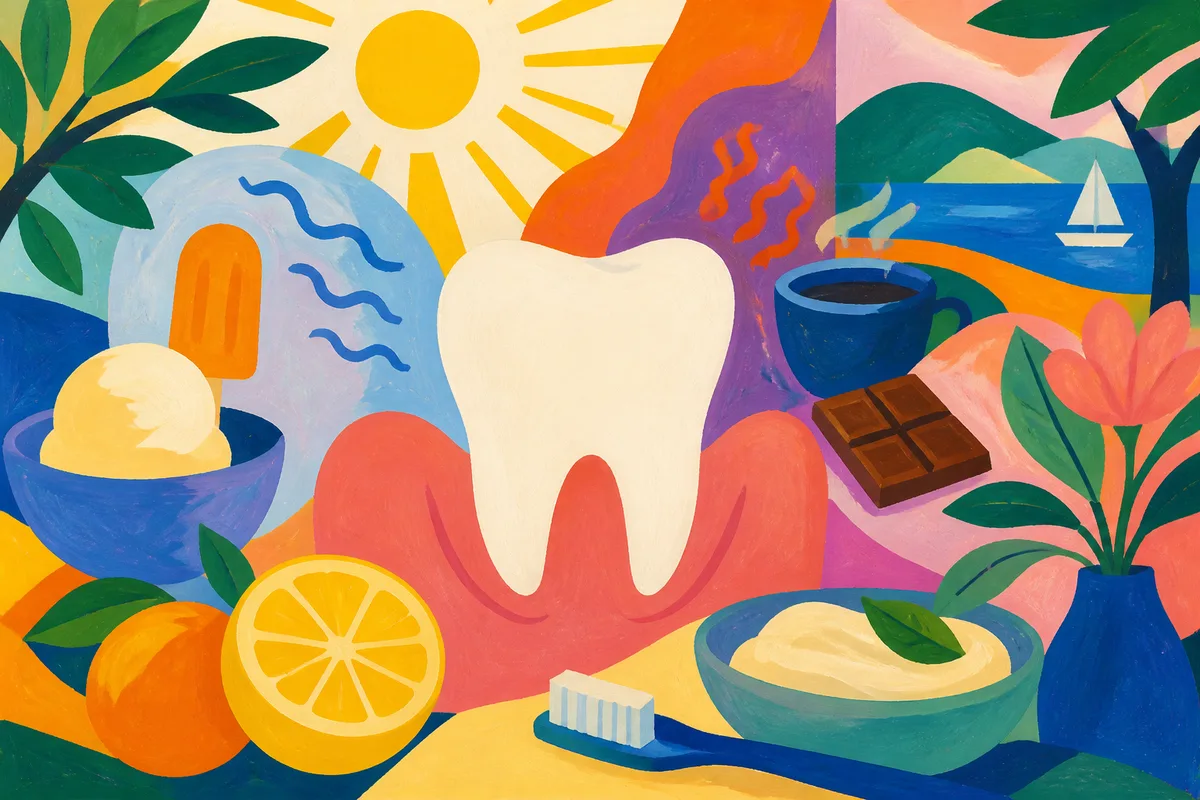
That quick jolt from a sip of coffee that is a little too hot, or ice cream that is a little too cold, is one of the most common complaints people bring up in passing. It can feel random, like your teeth just decided to become dramatic one day. But tooth sensitivity almost always has a specific cause, and figuring out what is behind it makes a real difference in how you deal with it.
Sensitivity is also something you do not have to just live with. Once you understand what is triggering it, there are usually clear steps to ease it, whether that is a change at home or a visit to have it looked at.
What's Actually Happening Under the Surface
Underneath your enamel is a layer called dentin, which contains tiny channels that connect to the nerve inside your tooth. Enamel normally shields dentin from the outside world. When that protective layer thins or the dentin becomes exposed some other way, hot, cold, sweet, or even just cool air can reach those channels and trigger a sharp, temporary reaction. That is the sensation you feel as sensitivity.
The reaction itself is not dangerous in the moment, but it is a sign that something has changed in how well your teeth are protected, and that is worth paying attention to.
Common Causes Worth Knowing
Enamel wear is one of the most frequent culprits, often from brushing too hard, using a stiff-bristled brush, or grinding your teeth, especially at night. Acidic foods and drinks, like citrus, soda, and certain wines, can also gradually soften and thin enamel over time with regular exposure.
Gum recession is another common cause. As gum tissue pulls back from the tooth, whether from aggressive brushing, natural aging, or ongoing gum irritation, it exposes the root surface, which has no enamel covering at all and is naturally more sensitive. A cracked tooth, a worn filling, or recent dental work can also create temporary or localized sensitivity in one specific spot rather than across your whole mouth.
Sometimes sensitivity shows up after a professional cleaning or a new whitening routine. This kind is usually short-lived and settles down within a week or two as your teeth adjust.
What Helps at Home
Switching to a soft-bristled brush and easing up on pressure is a good first step, since aggressive brushing is such a common contributor. Toothpaste made for sensitive teeth can also help over a few weeks of consistent use by gradually blocking those exposed channels in the dentin.
Cutting back on how often acidic foods and drinks sit against your teeth, and rinsing with water afterward, can slow further enamel softening. If you suspect nighttime grinding is part of the picture, that is worth mentioning at your next visit, since it often needs a different kind of solution than sensitivity from diet or brushing alone.
When It's Time to Have It Looked At
Sensitivity that is sharp, localized to one tooth, or getting worse rather than better over a few weeks is worth having examined rather than managed with toothpaste alone. The same goes for sensitivity that shows up alongside visible gum recession, a cracked or chipped tooth, or lingering discomfort after hot or cold rather than a quick jolt that fades fast.
At Prime Choice Dental in Philadelphia, our exams include a close look at enamel wear, gum health, and bite patterns that can point to what is really driving your sensitivity. If yours has been sticking around or getting harder to ignore, give us a call and we will help you sort out what is going on and what to do about it.
Questions about your own care? The team at Prime Choice Dental is happy to help — call us at 215-276-4532.
This article is for general information only and is not medical advice.